

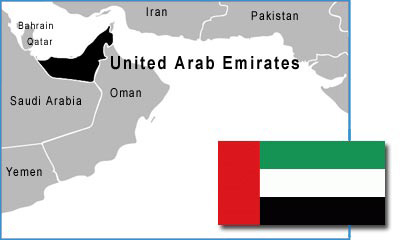
United Arab Emirates
Though Emiratis are conservative, the U.A.E. is one of the most liberal countries in the Persian Gulf. Other cultures and beliefs are generally tolerated, especially in Dubai, the capital. Islam is the state religion, and all of the country's citizens are considered Muslim. Non-Muslim men are not allowed to marry Muslim women. In 2013, a Norwegian woman was sentenced to 16 months in prison for having unlawful sex, making false statements and illegal consumption of alcohol after reporting she was raped by another foreigner. Calls for political change in 2011 brought the establishment of a parliament with full legislative powers.
United Arab Emirates allows only foreign Christians to worship freely. Though there is no law against evangelism, the government has been known to arrest, imprison and deport those who try to spread their faith. Several Christian medical agencies are allowed to operate, but evangelistic work must remain underground. Today, there is a small but growing body of Emirati believers.
 Population