Persecution News - Sudan

Sudan Profile

Total Area:
2,505,810 sq. km

Population:
40,218,455 (July 2008 est.)

Ethnicity:
Black 52%, Arab 39%, Beja 6%, Foreigners 2%, Other 1%

Language:
Arabic (official), Nubian, Ta Bedawie, diverse dialects of Nilotic, Nilo-Hamitic, Sudanic languages, English

Religion:
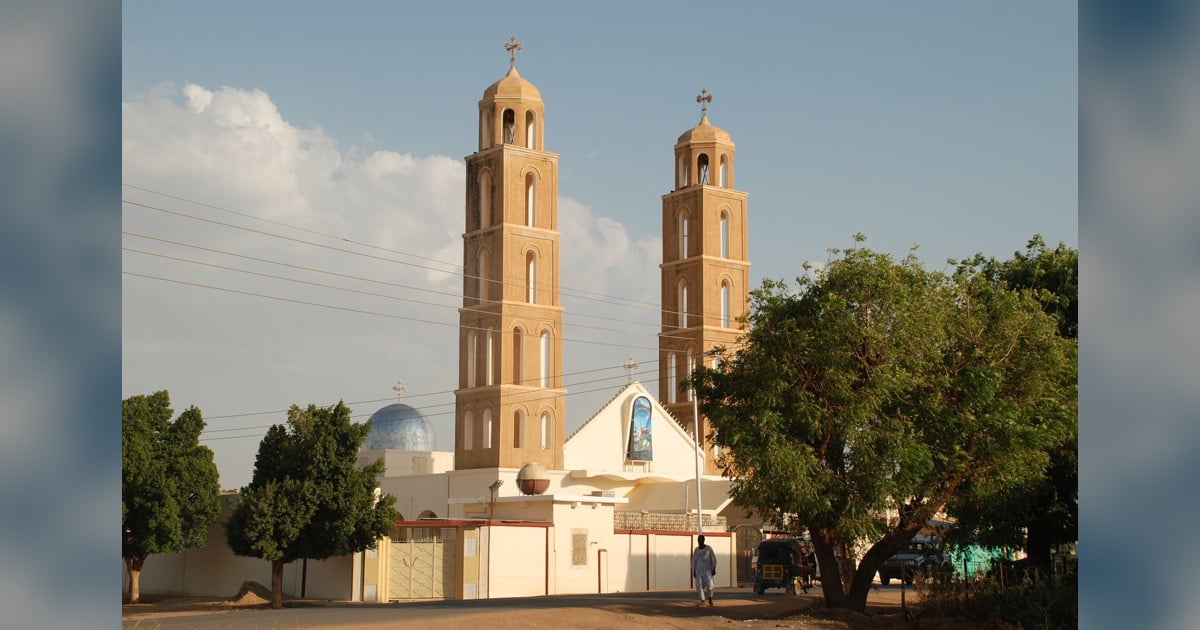
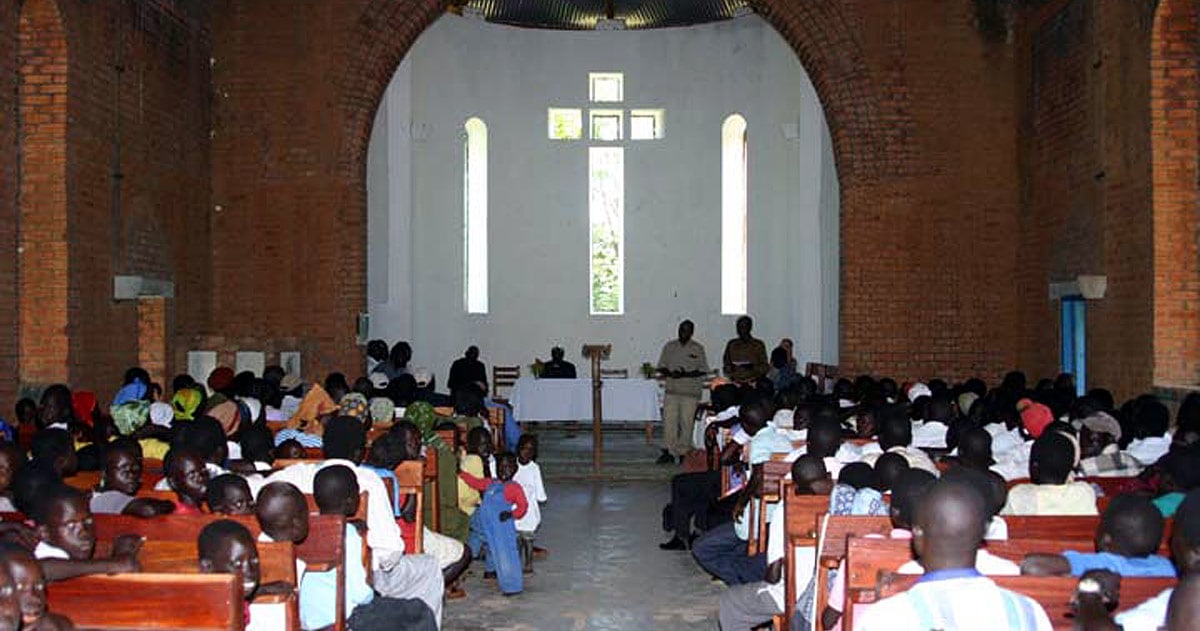
Sunni Muslim 70% (in north), Indigenous Beliefs 25%, Christian 5% (mostly in south and Khartoum)

Government Type:
Government of National Unity (GNU) - the National Congress Party (NCP) and Sudan People's Liberation Movement (SPLM) formed a power-sharing government under the 2005 Comprehensive Peace Agreement (CPA); the NCP, which came to power by military coup in 1989, is the majority partner; the agreement stipulates national elections in 2009

Capital:
Khartoum

Population Below Poverty Line:
40% (2004 est.)

Country Reports

Sudan Print E-mail

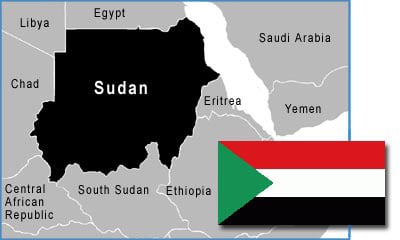
Sudan map

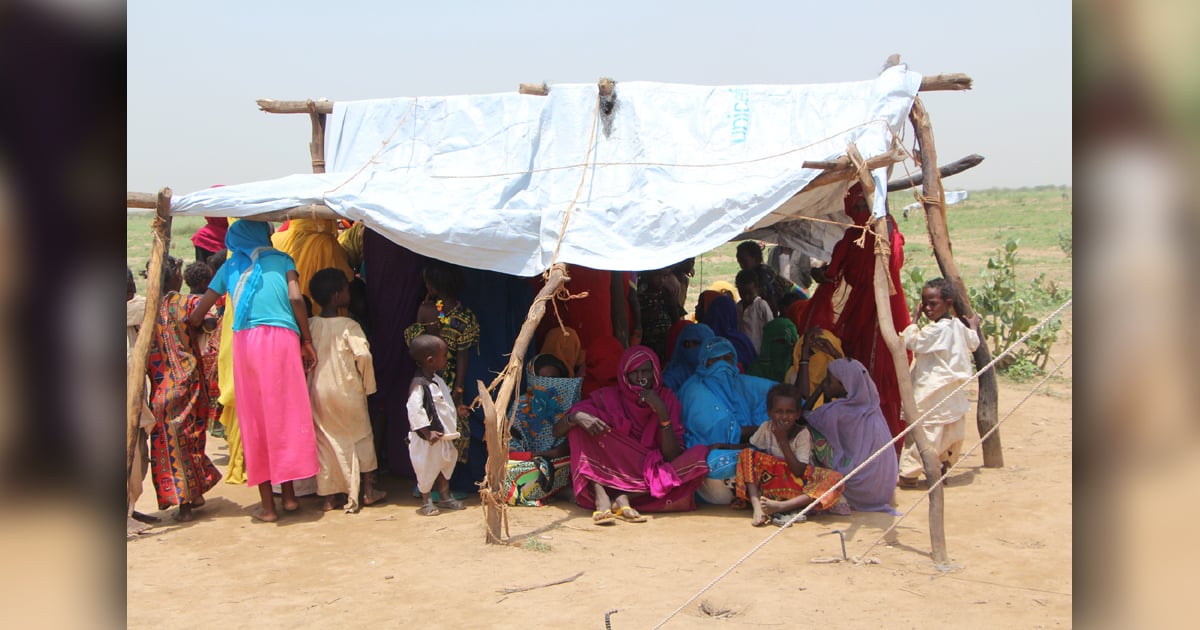
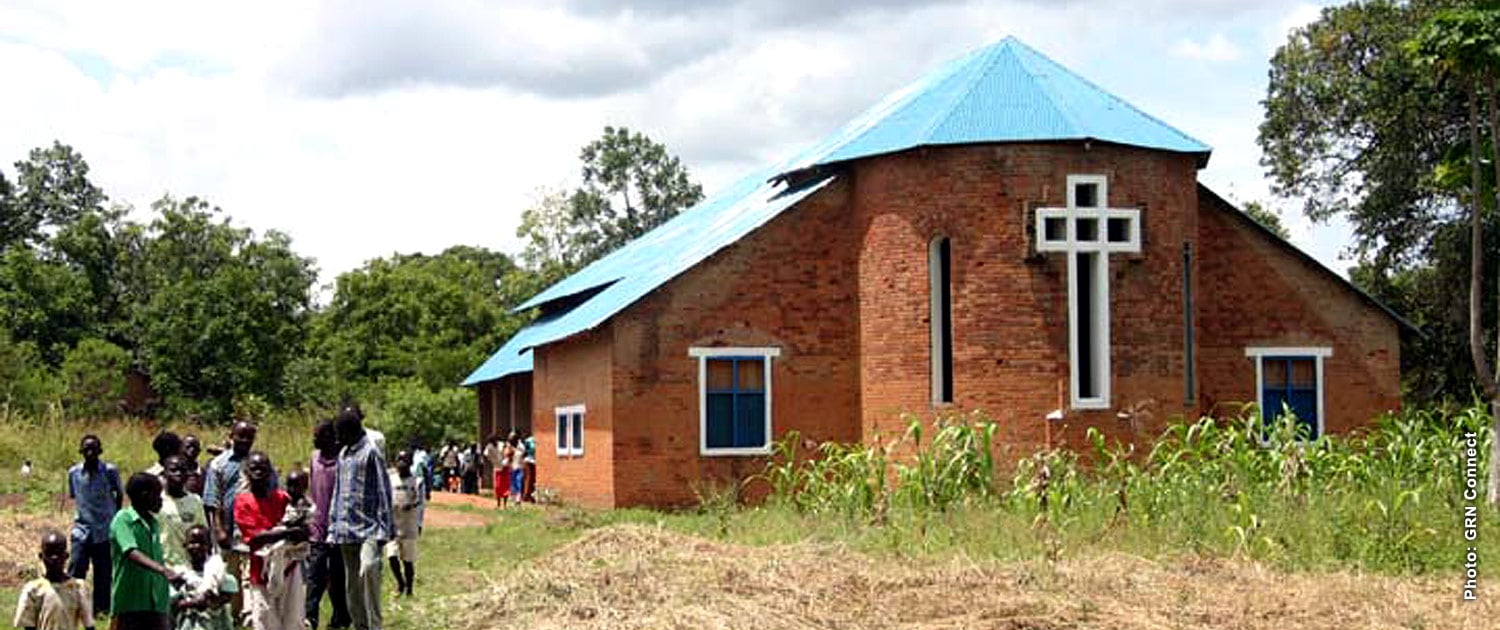
Africa's largest country, Sudan, gained its independence in 1956. The country recently emerged from a civil war that has left its infrastructure in tatters. The conflict broke out in 1983 when southern rebels sought independence from the Islamic government in the north. With the discovery of oil in southern Sudan, the clashes increased in scope as the government desired to control this vast source of wealth. Using money from the oil industry that was developed by western companies, the government purchased weapons in increasing number and sophistication to use against the southern people. Government forces and militia destroyed entire villages and attacked hospitals and relief organizations trying to meet the needs of the people. Many women were raped and children were sold into slavery. Famine also plagued the country as a result of the war. The number of casualties was in the millions, while millions more were displaced. Although the conflict was officially about control of land and wealth, it also had a strong religious factor in that the government was strongly Islamic and the people of the south were predominantly Christian or animist. The Muslim government declared a jihad against the people of the south which resulted in church buildings and Christian relief agencies being specifically targeted.

After repeated attempts at peace talks over the past several years, a formal peace accord was signed on January 9, 2005. An interim constitution was established with the goal to adopt a permanent constitution in the near future. The interim constitution states that Islam is the majority religion in the country, but notes the place of Christianity and traditional religions. One of the conditions of the peace accord is that a referendum is to be held after six years to determine whether or not the South should remain a part of Sudan.

Christians in northern Sudan are subject to many of the restrictions facing Christians in other Muslim countries. Evangelism is allowed by law but fiercely opposed and thus very limited.  Believers are rarely granted visas for humanitarian and missionary work or else experience delays. Both Christians and animists face intense pressure to convert to Islam. Christian leaders have been jailed and beaten simply for meeting with people interested in coming to Christ.

Prayer Requests

  • Pray that the peace accord will stand and that Christians will be free to worship in peace.
  • Ask God to grant wisdom to the leaders who rule this war-torn country. 
 
© 2010 - The Voice of the Martyrs Inc. (Canada) | Privacy Policy | Contact Us | Website designed & hosted by JimBits Solutions