Mauritania Profile
|
Country Reports
| Mauritania |
|
|
|
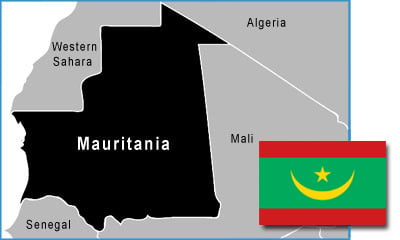
After gaining independence from France in 1960, Maaouya Ould Sid Ahmed Taya seized power of Mauritania in a coup in 1984. Opposition parties were legalized and a new constitution approved in 1991. Two multiparty presidential elections since then were widely seen as flawed, but the October 2001 legislative and municipal elections were generally considered free and open. A bloodless coup in August 2005 deposed President Taya and ushered in a military council headed by Col. Ely Ould Mohamed Vall. In March 2007, Sidi Ould Cheikh Abdallahi was elected into power in the first fully democratic Presidential election since 1960. However, on August 6, 2008 Abdallahi was ousted in a military coup d’etat by a group of high ranking generals he had dismissed from office earlier that day. Islam has dominated Mauritania, one of the poorest and most restricted countries in the world, for over one thousand years. Any citizen who confesses Christ can be charged with apostasy and subject to the death penalty unless they repent and embrace Islam. Mauritanian citizens are not allowed to attend non-Muslim religious ceremonies. People have been tortured and imprisoned for showing interest in the Gospel. There are no specific laws against converting Muslims in Mauritania. The former government prohibited evangelism of Muslims through the use of Article 11 of the Press Act. However, in April 2006 this Act was effectively suspended by the transitional government as part of its effort to liberalize the press. Despite this, the government in practice prohibits involvement in converting Muslims to Christianity, viewing such activity as a method of undermining society. The distribution of materials against Islam or that contradicts the teachings of Islam is also prohibited. Bibles are not publicly available, though some can be found among the 0.2% of the population who are Christians. Prayer Requests
|